


Contact Information
Collection: Zone 4 Plants for Cold-Hardy Gardens
Gardening in USDA Zone 4 means choosing plants that can handle seriously cold winters. The USDA defines Zone 4 by an average annual extreme minimum winter temperature of -30°F to -20°F, with Zone 4a covering -30°F to -25°F and Zone 4b covering -25°F to -20°F.
Garden Crossings offers zone 4 plants selected for gardeners who want dependable color, structure, and seasonal interest despite those colder conditions. The current collection includes shrubs suited to different sun exposures, moisture needs, landscape uses, and garden styles.

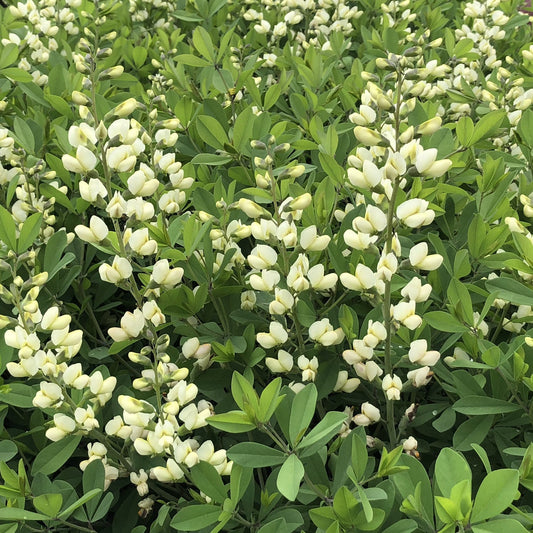
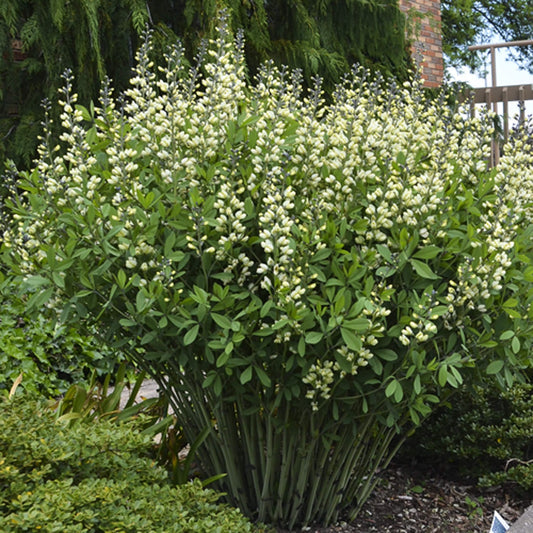
Decadence® 'Vanilla Cream II' False Indigo (Baptisia)
Regular price
$21.99
Regular price
Sale price
$21.99
Unit price
per


Decadence® Deluxe 'Blue Bubbly' False Indigo (Baptisia)
Regular price
$18.99
Regular price
Sale price
$18.99
Unit price
per
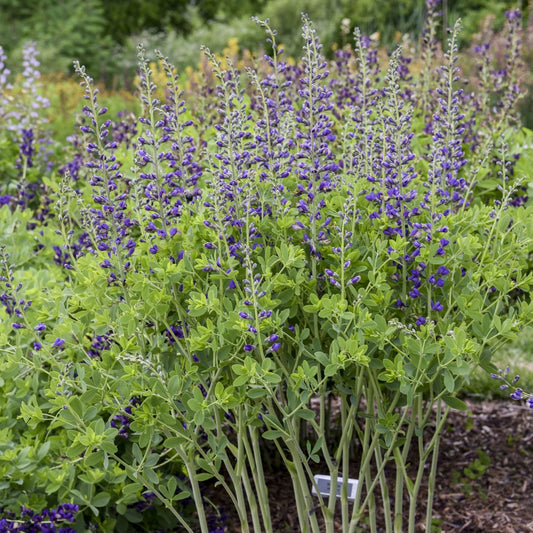
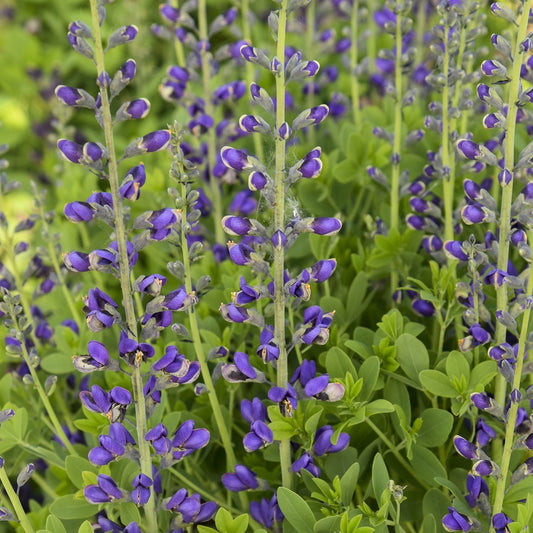
Decadence® Deluxe 'Periwinkle Popsicle' False Indigo (Baptisia)
Regular price
$21.99
Regular price
Sale price
$21.99
Unit price
per
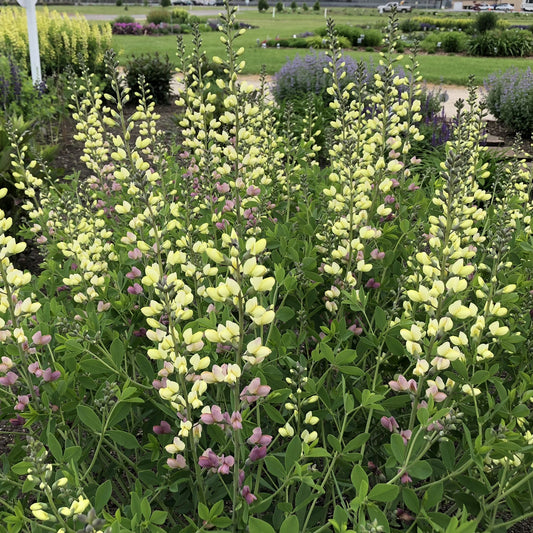
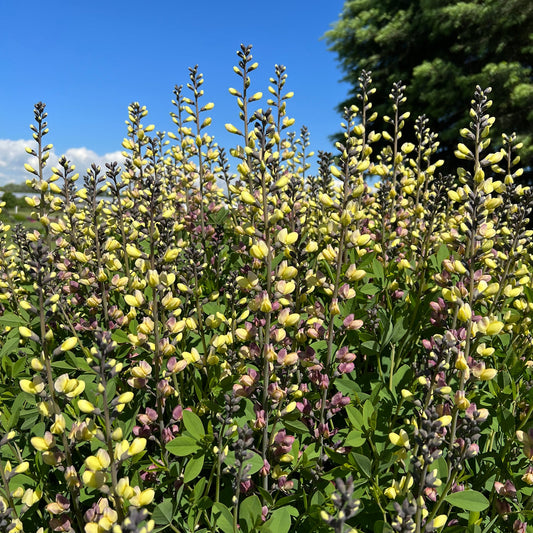
Decadence® Deluxe 'Pink Lemonade' False Indigo (Baptisia)
Regular price
$21.99
Regular price
Sale price
$21.99
Unit price
per
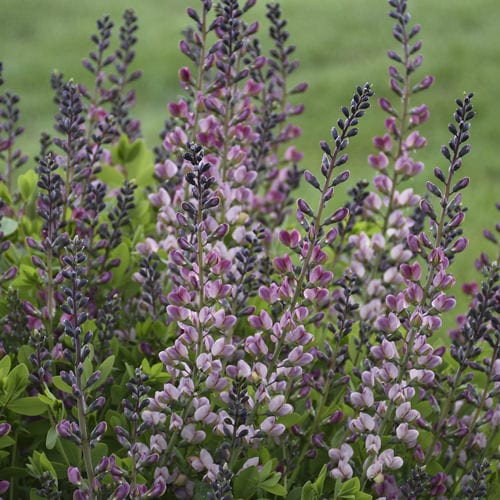
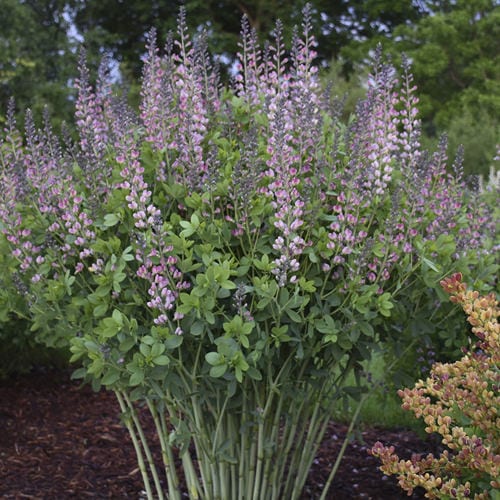
Decadence® Deluxe 'Pink Truffles' False Indigo (Baptisia)
Regular price
$21.99
Regular price
Sale price
$21.99
Unit price
per
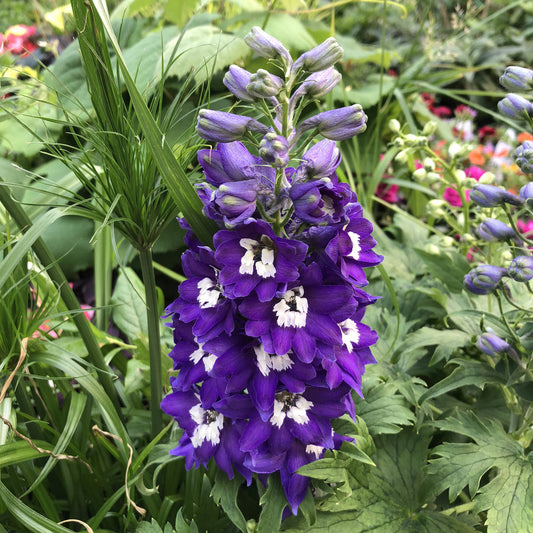
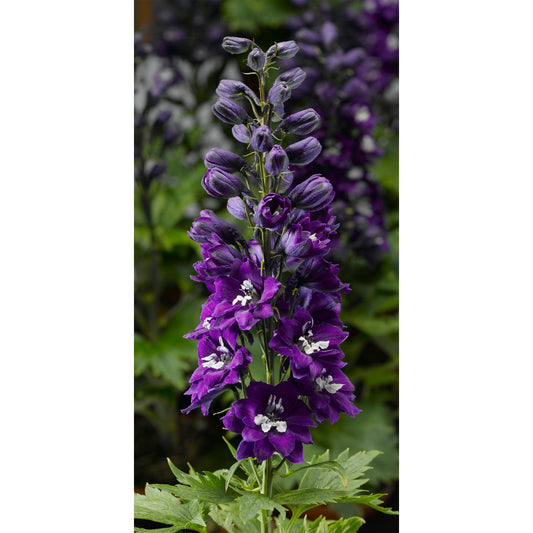
Delphina™ 'Dark Blue White Bee' Hybrid Bee Delphinium
Regular price
$17.99
Regular price
Sale price
$17.99
Unit price
per
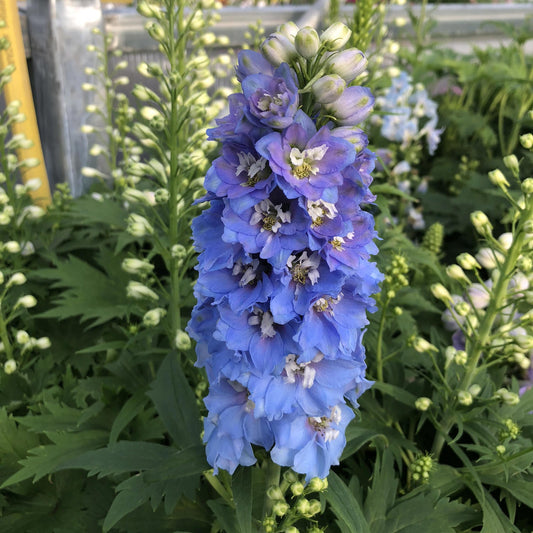
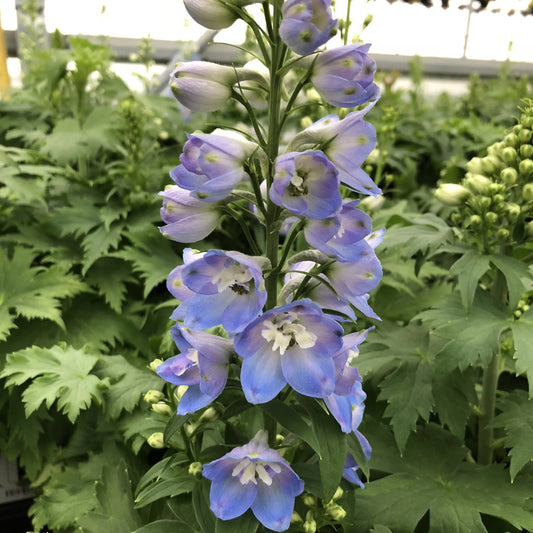
Delphina™ 'Light Blue White Bee' Hybrid Bee Delphinium
Regular price
$17.99
Regular price
Sale price
$17.99
Unit price
per
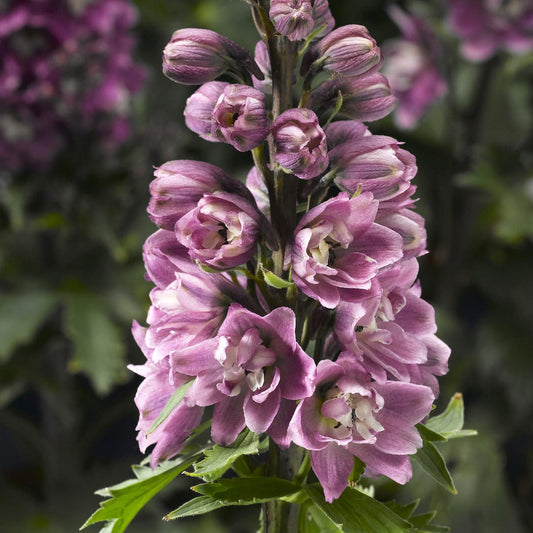
Delphina™ 'Pink White Bee' Hybrid Bee Delphinium
Regular price
$17.99
Regular price
Sale price
$17.99
Unit price
per
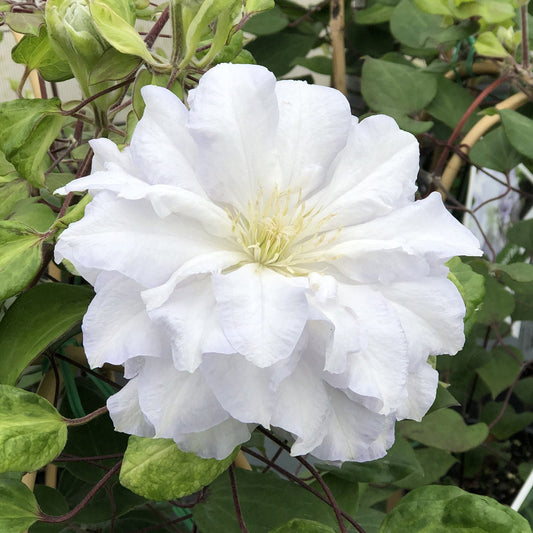
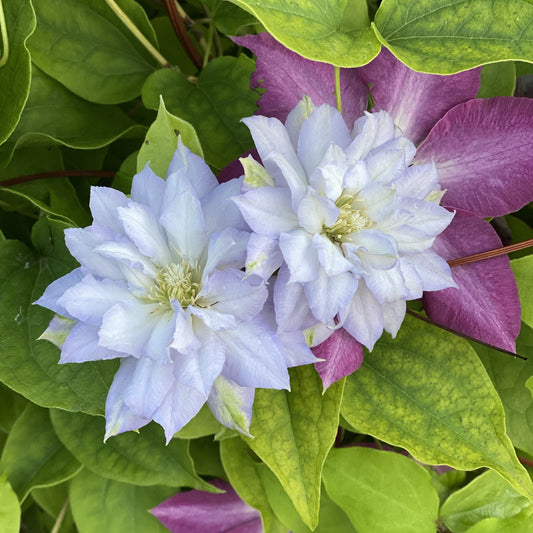
Diamond Ball' Clematis
Regular price
$22.99
Regular price
Sale price
$22.99
Unit price
per


Dolce® 'Apple Twist' Coral Bells (Heuchera)
Regular price
$18.99
Regular price
Sale price
$18.99
Unit price
per


Dolce® 'Cherry Truffles' Coral Bells (Heuchera)
Regular price
$18.99
Regular price
Sale price
$18.99
Unit price
per


Dolce® 'Glazed and Infused' Coral Bells (Heuchera)
Regular price
$18.99
Regular price
Sale price
$18.99
Unit price
per


Dolce® 'Silver Gumdrop' Coral Bells (Heuchera)
Regular price
$18.99
Regular price
Sale price
$18.99
Unit price
per


Dolce® 'Spearmint' Coral Bells (Heuchera)
Regular price
$18.99
Regular price
Sale price
$18.99
Unit price
per


Dolce® 'Sultry Night' Coral Bells (Heuchera)
Regular price
$15.99
Regular price
$19.99
Sale price
$15.99
Unit price
per


Dolce® 'Toffee Tart' Coral Bells (Heuchera)
Regular price
$18.99
Regular price
Sale price
$18.99
Unit price
per


Dolce® 'Wildberry' Coral Bells (Heuchera)
Regular price
$18.99
Regular price
Sale price
$18.99
Unit price
per
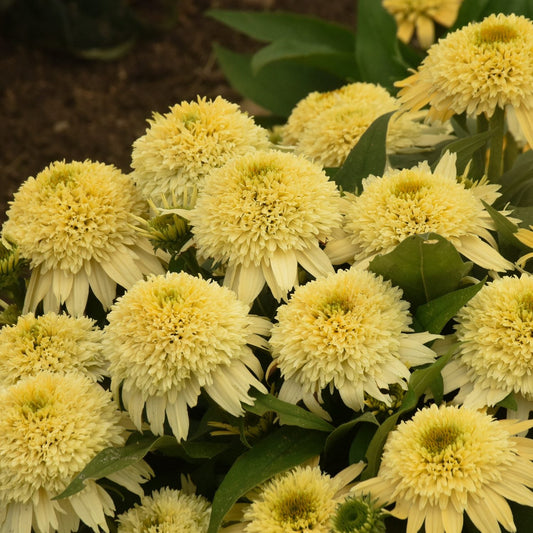
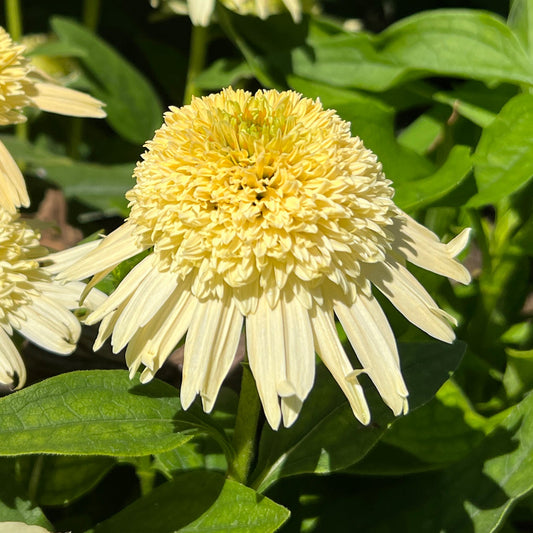
Double Coded® 'Butter Pecan' Coneflower (Echinacea)
Regular price
$19.99
Regular price
Sale price
$19.99
Unit price
per
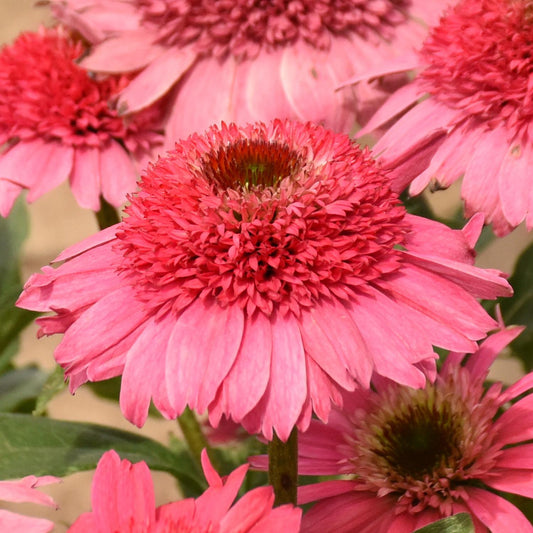
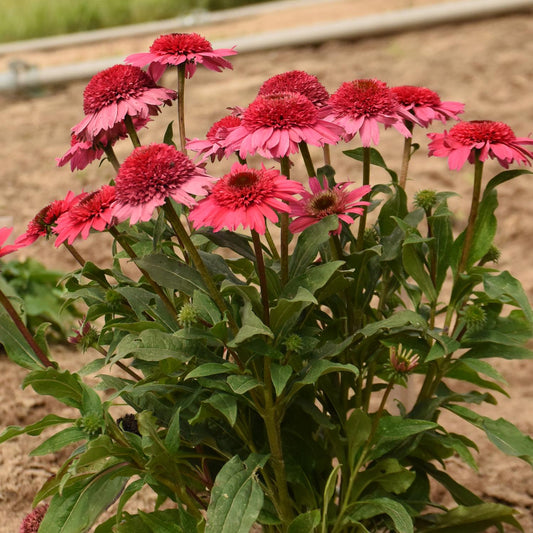
Double Coded® 'Coral Cranberry' Coneflower (Echinacea)
Regular price
$19.99
Regular price
Sale price
$19.99
Unit price
per


Double Coded® 'Everything's Rosy' Coneflower (Echinacea)
Regular price
$19.99
Regular price
Sale price
$19.99
Unit price
per
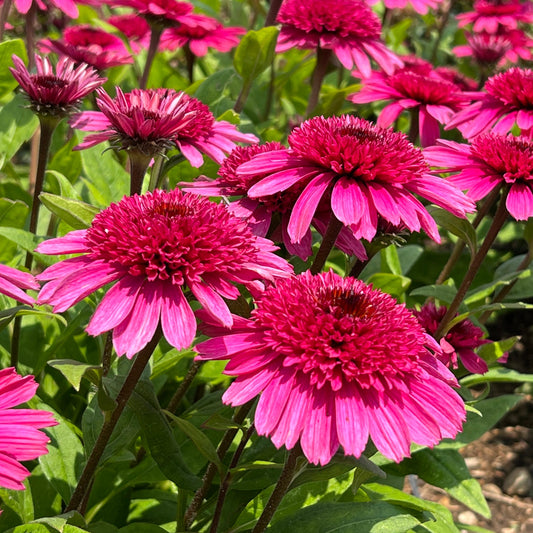
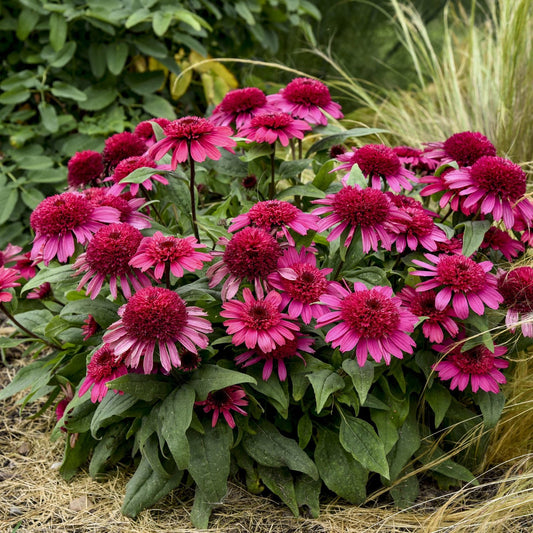
Double Coded® 'Raspberry Beret' Coneflower (Echinacea)
Regular price
$19.99
Regular price
Sale price
$19.99
Unit price
per


Double Dipped® 'Jamberry' Coneflower (Echinacea)
Regular price
$19.99
Regular price
Sale price
$19.99
Unit price
per


Double Dipped® 'Rainbow Sherbet' Coneflower (Echinacea)
Regular price
$19.99
Regular price
Sale price
$19.99
Unit price
per
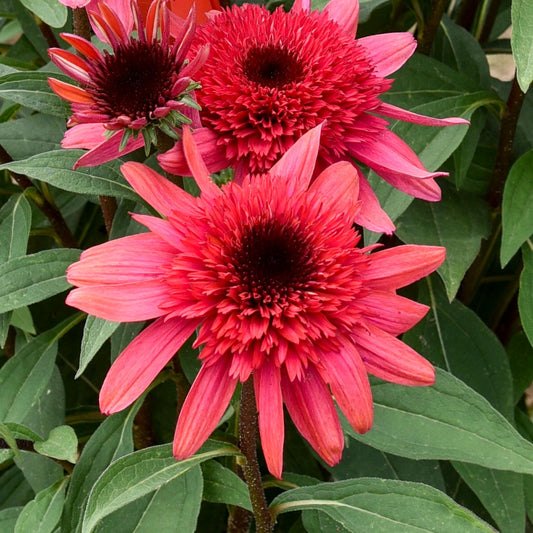
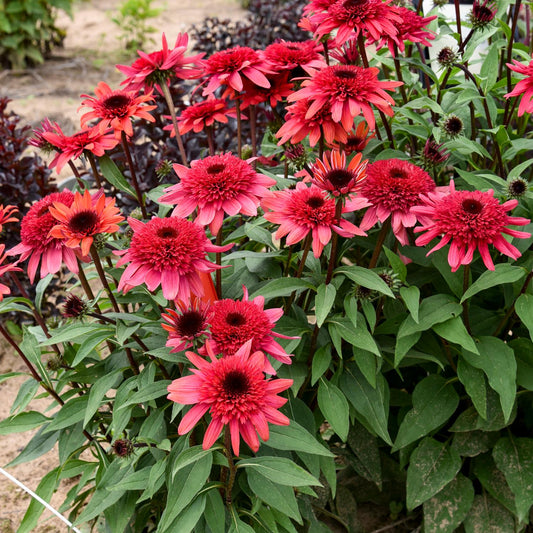
Double Dipped® 'Raspberry Ripple' Coneflower (Echinacea)
Regular price
$19.99
Regular price
Sale price
$19.99
Unit price
per


