

Contact Information
Collection: Zone 9 - Perennials
Explore perennial plants that are well-suited for USDA Zone 9, offering reliable performance year after year in your climate. These hardy plants are selected by Garden Crossings to withstand local winter conditions while delivering beautiful blooms, foliage, and long-lasting garden interest throughout the growing season. Shop plants for your zone.


'Adam's Courage' Clematis
Regular price
$20.99
Regular price
Sale price
$20.99
Unit price
per
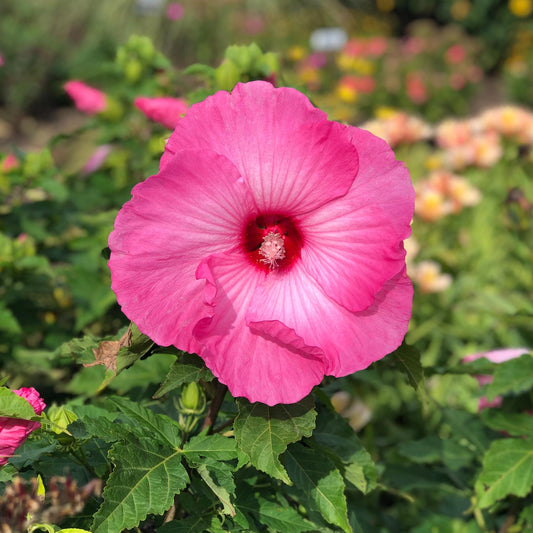
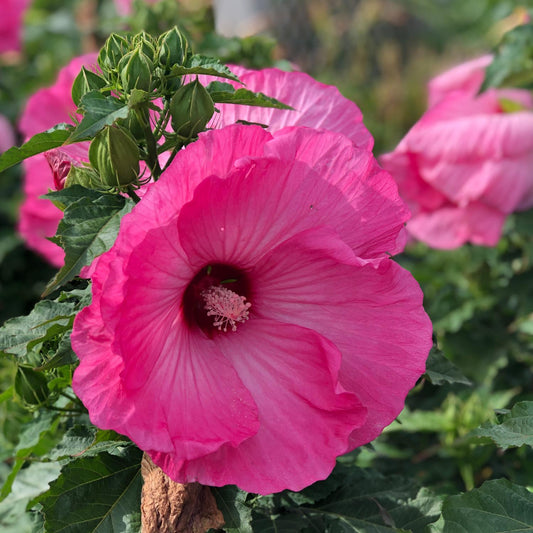
'Airbrush Effect' Rose Mallow (Hibiscus)
Regular price
$21.99
Regular price
Sale price
$21.99
Unit price
per


'All Gold' Japanese Forest Grass (Hakonechloa)
Regular price
$18.99
Regular price
Sale price
$18.99
Unit price
per
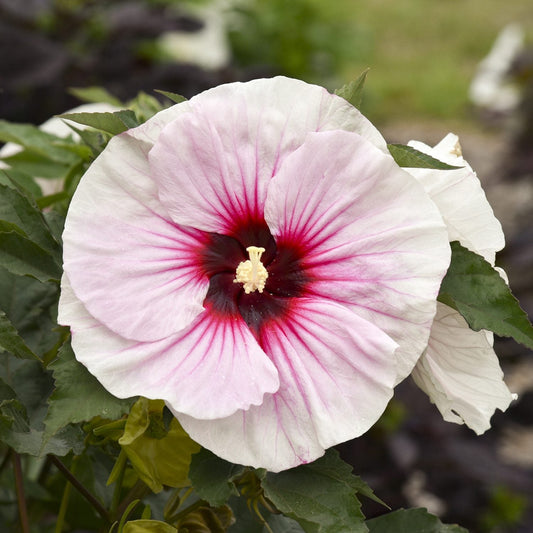
'Angel Eyes' Rose Mallow (Hibiscus)
Regular price
$21.99
Regular price
Sale price
$21.99
Unit price
per


'Apple Slices' Spigelia
Regular price
$21.99
Regular price
$30.99
Sale price
$21.99
Unit price
per
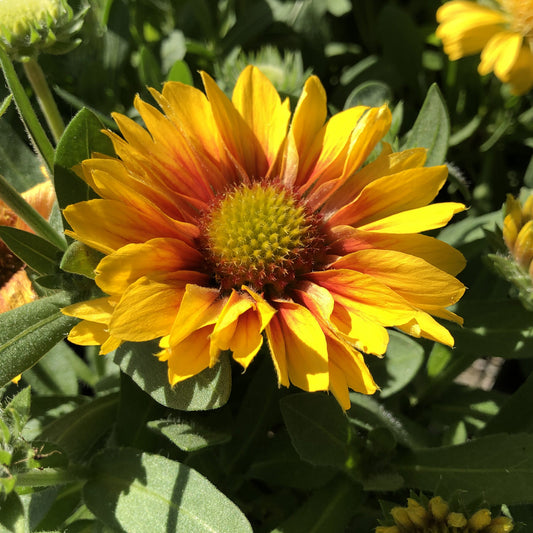
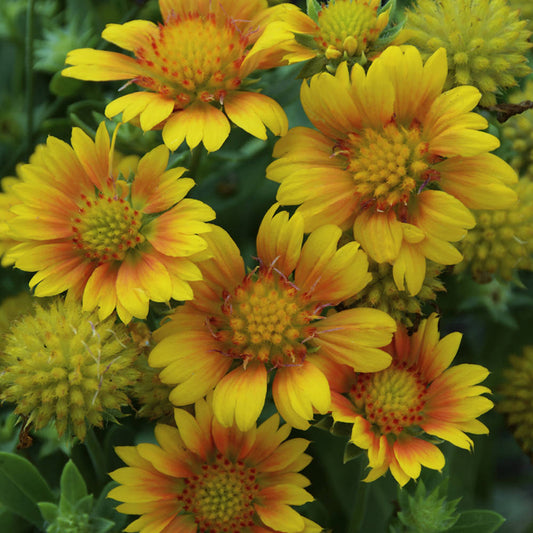
'Arizona Apricot' Blanket Flower (Gaillardia)
Regular price
$17.99
Regular price
Sale price
$17.99
Unit price
per


'Ascot Rainbow' Spurge (Euphorbia)
Regular price
$17.99
Regular price
Sale price
$17.99
Unit price
per


'Astra Blue' Balloon Flower (Platycodon)
Regular price
$17.99
Regular price
Sale price
$17.99
Unit price
per


'Astra Pink' Balloon Flower (Platycodon)
Regular price
$17.99
Regular price
Sale price
$17.99
Unit price
per


'Aureola' Japanese Forest Grass (Hakonechloa)
Regular price
$18.99
Regular price
Sale price
$18.99
Unit price
per


'Autumn Gold' Narrow-Leaved Sunflower (Helianthus)
Regular price
$16.19
Regular price
$17.99
Sale price
$16.19
Unit price
per

'Bacio Del Sole' False Sunflower (Heliopsis)
Regular price
$17.99
Regular price
Sale price
$17.99
Unit price
per


'Bandwidth' Maiden Grass (Miscanthus)
Regular price
$17.09
Regular price
$18.99
Sale price
$17.09
Unit price
per

'Barbara Harrington' Clematis
Regular price
$20.99
Regular price
Sale price
$20.99
Unit price
per


'Bit of Honey' False Sunflower (Heliopsis)
Regular price
$19.99
Regular price
Sale price
$19.99
Unit price
per


'Black Scallop' Bugleweed (Ajuga)
Regular price
$17.99
Regular price
Sale price
$17.99
Unit price
per
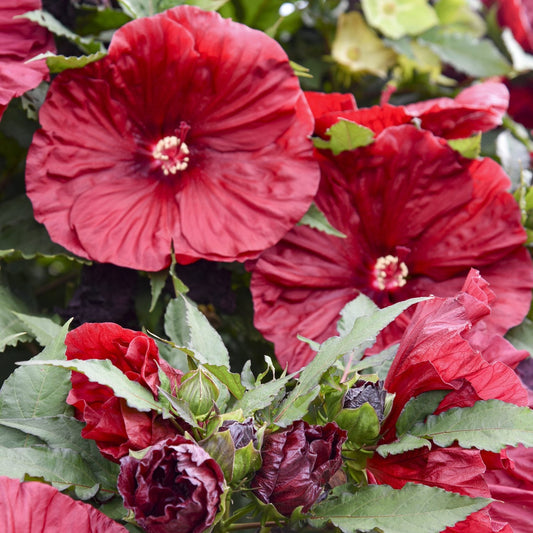
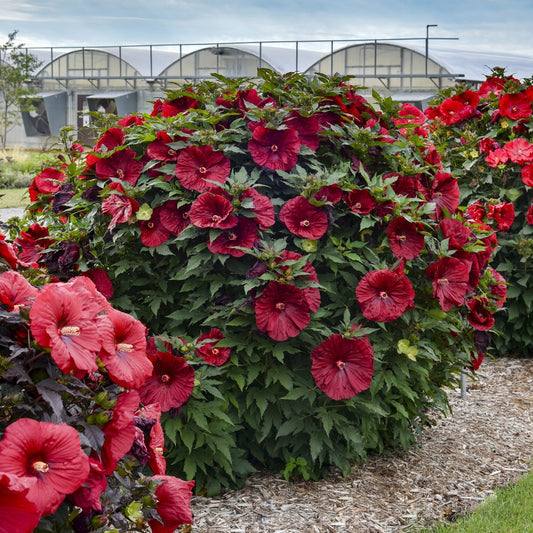
'Blackberry Merlot' Rose Mallow (Hibiscus)
Regular price
$34.99
Regular price
Sale price
$34.99
Unit price
per


'Blacknight' Hollyhock (Alcea)
Regular price
$17.99
Regular price
Sale price
$17.99
Unit price
per


'Bleeding Hearts' False Sunflower (Heliopsis)
Regular price
$17.99
Regular price
Sale price
$17.99
Unit price
per


'Blonde Ambition' Blue Grama Grass (Bouteloua)
Regular price
$18.99
Regular price
Sale price
$18.99
Unit price
per


'Blue Boa' Hummingbird Mint (Agastache)
Regular price
$17.99
Regular price
Sale price
$17.99
Unit price
per


'Blue By You' Perennial Salvia
Regular price
$17.99
Regular price
Sale price
$17.99
Unit price
per


'Blue Mouse Ears' Hosta
Regular price
$17.99
Regular price
Sale price
$17.99
Unit price
per


'Blueberry Muffin' Hosta
Regular price
$19.99
Regular price
Sale price
$19.99
Unit price
per


