


Contact Information
Collection: Full Shade Perennials
If you have a north-facing garden or trees that block the sun, you can still achieve a lush, beautiful oasis. All you need are shade-loving plants! These tough perennials love low-light conditions, providing strong, reliable performance year after year.
At Garden Crossings, you’ll find options with colorful blooms, bold foliage, and interesting textures that keep your shaded garden looking lush all season. Browse our perennial shade plants!


'All Gold' Japanese Forest Grass (Hakonechloa)
Regular price
$18.99
Regular price
Sale price
$18.99
Unit price
per


'Aureola' Japanese Forest Grass (Hakonechloa)
Regular price
$18.99
Regular price
Sale price
$18.99
Unit price
per


'Black Scallop' Bugleweed (Ajuga)
Regular price
$17.99
Regular price
Sale price
$17.99
Unit price
per


'Blue Mouse Ears' Hosta
Regular price
$17.99
Regular price
Sale price
$17.99
Unit price
per


'Blueberry Muffin' Hosta
Regular price
$19.99
Regular price
Sale price
$19.99
Unit price
per
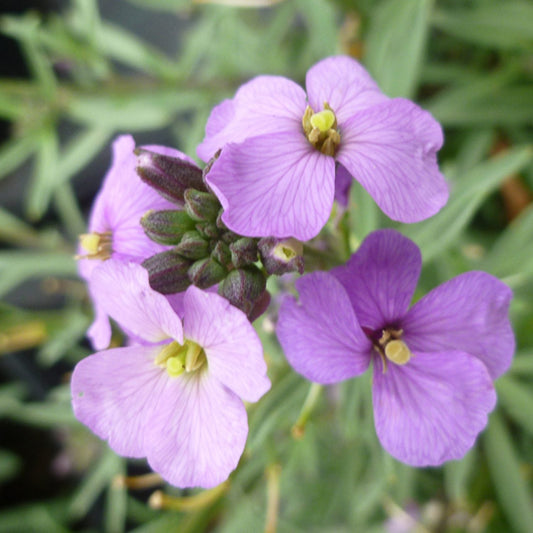

'Bowles Me Away' Wallflower (Erysimum)
Regular price
$17.99
Regular price
Sale price
$17.99
Unit price
per

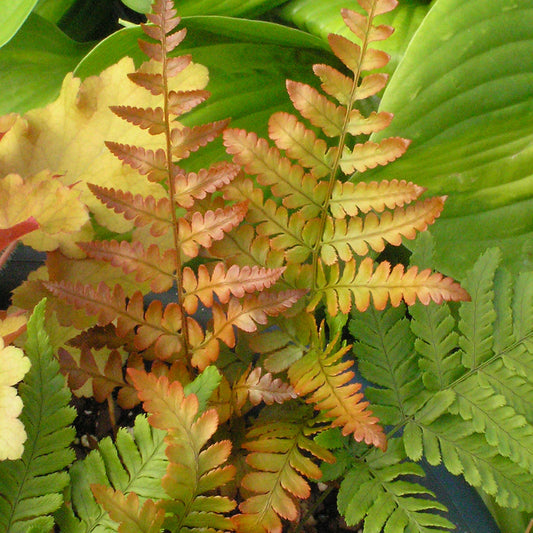
'Brilliance' Autumn Fern (Dryopteris)
Regular price
$18.99
Regular price
Sale price
$18.99
Unit price
per

'Canary Feathers' Corydalis
Regular price
$19.99
Regular price
Sale price
$19.99
Unit price
per


'Captain Kirk' Hosta
Regular price
$17.09
Regular price
$18.99
Sale price
$17.09
Unit price
per


'Chantilly Lace' Goatsbeard (Aruncus)
Regular price
$18.99
Regular price
Sale price
$18.99
Unit price
per


'Crested Surf' Japanese Painted Fern (Athyrium)
Regular price
$19.99
Regular price
Sale price
$19.99
Unit price
per


'Curly Fries' Hosta
Regular price
$17.99
Regular price
Sale price
$17.99
Unit price
per


'Cutting Edge' Foamflower (Tiarella)
Regular price
$18.99
Regular price
Sale price
$18.99
Unit price
per


'Dark Side of the Moon' Chinese Astilbe
Regular price
$19.99
Regular price
Sale price
$19.99
Unit price
per
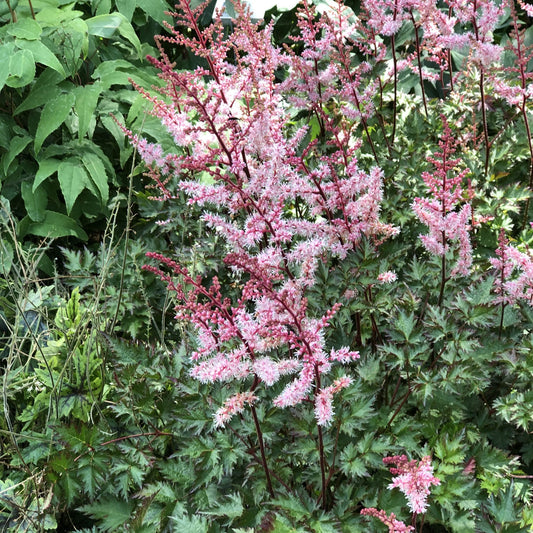
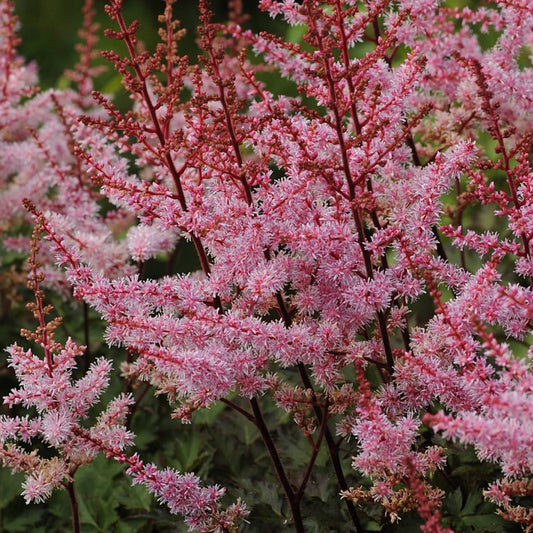
'Delft Lace' Japanese Astilbe
Regular price
$19.99
Regular price
Sale price
$19.99
Unit price
per


'Etain' Perennial Violet (Viola)
Regular price
$17.99
Regular price
Sale price
$17.99
Unit price
per
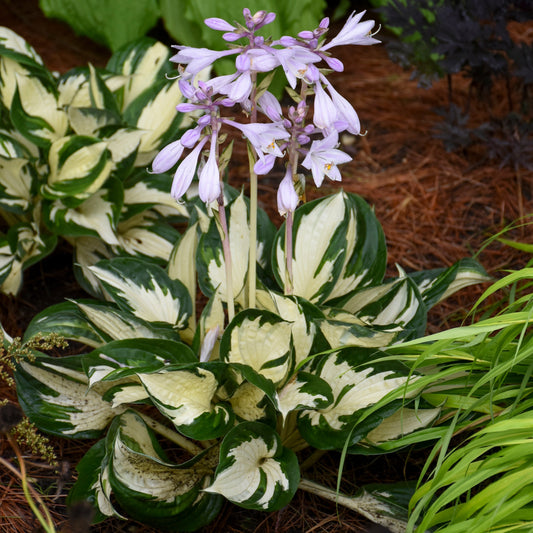
'Fire and Ice' Hosta
Regular price
$17.99
Regular price
Sale price
$17.99
Unit price
per


'Fire Island' Hosta
Regular price
$18.89
Regular price
$20.99
Sale price
$18.89
Unit price
per
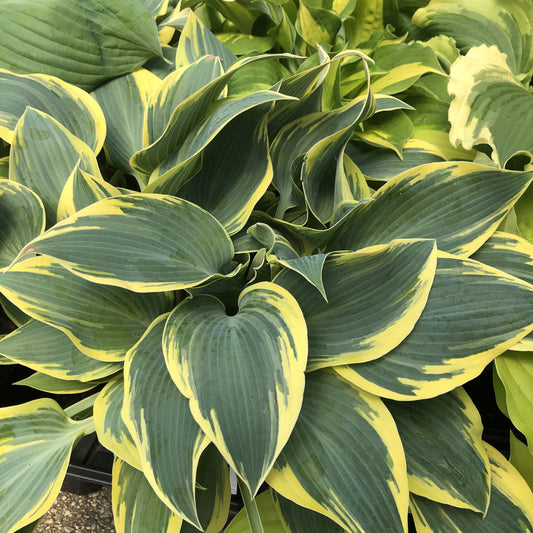
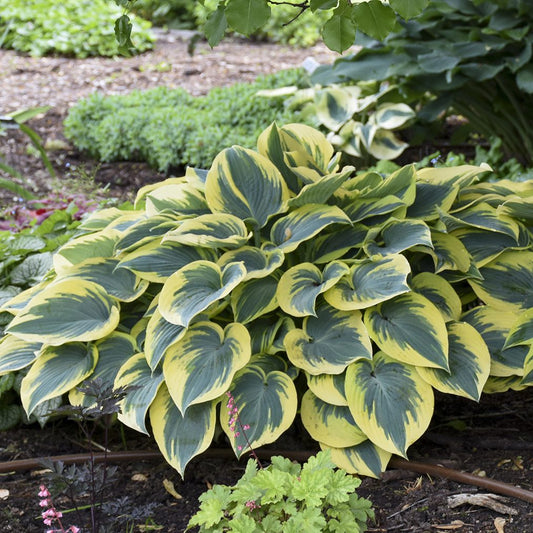
'First Frost' Hosta
Regular price
$17.99
Regular price
Sale price
$17.99
Unit price
per


'Fronds Forever' Lady Fern (Athyrium)
Regular price
$26.09
Regular price
$28.99
Sale price
$26.09
Unit price
per


'Ghost' Ghost Fern (Athyrium)
Regular price
$19.99
Regular price
Sale price
$19.99
Unit price
per


'Gold Heart' Bleeding Heart (Dicentra)
Regular price
$18.99
Regular price
Sale price
$18.99
Unit price
per


'Golden Feathers' Jacob's Ladder (Polemonium)
Regular price
$20.99
Regular price
Sale price
$20.99
Unit price
per


'Halo Sky Blue' Perennial Violet (Viola)
Regular price
$17.99
Regular price
Sale price
$17.99
Unit price
per


