


Contact Information
Collection: Perennial Plants for Sale
The plants that keep on giving. Perennials add beauty to your landscape year after year without the need to replant. Most also grow fuller and more established with every passing season, making them one of the most dependable choices for any garden. Explore our perennial flowers for sale at Garden Crossings.


Honeymoon® 'Rio Carnival' Lenten Rose (Helleborus)
Regular price
$18.99
Regular price
Sale price
$18.99
Unit price
per


'Liberty' Hosta
Regular price
$20.99
Regular price
Sale price
$20.99
Unit price
per


Boulevard® Tumaini™ Clematis
Regular price
$18.89
Regular price
$20.99
Sale price
$18.89
Unit price
per
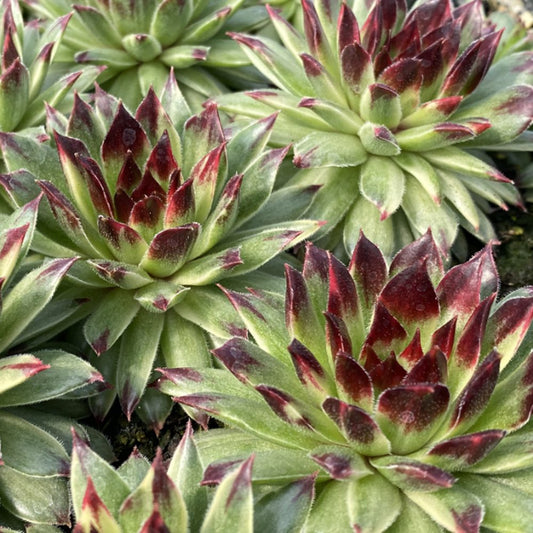
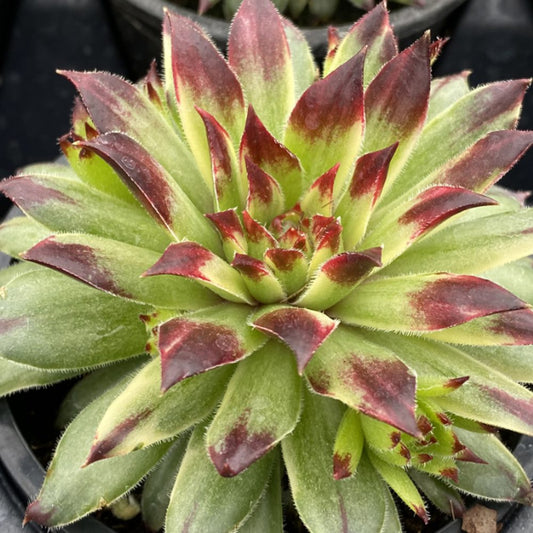
Chick Charms® Apple Teaser Hens & Chicks (Sempervivum)
Regular price
$9.89
Regular price
$10.99
Sale price
$9.89
Unit price
per
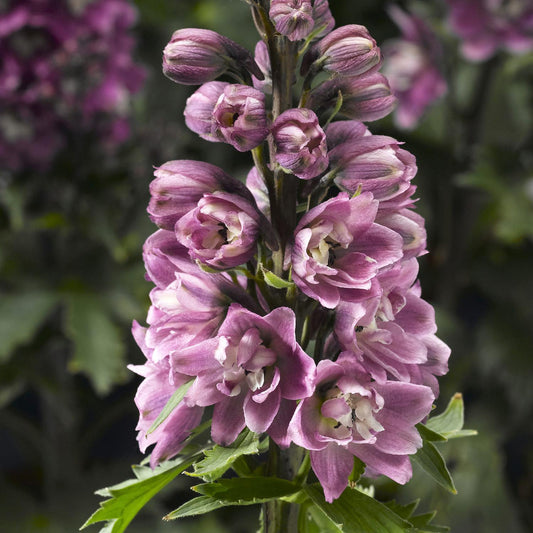
Delphina™ 'Pink White Bee' Hybrid Bee Delphinium
Regular price
$17.99
Regular price
Sale price
$17.99
Unit price
per


Belarina® Rhapsody Primrose (Primula)
Regular price
$18.99
Regular price
Sale price
$18.99
Unit price
per

'Cardinal Wyszynski' Clematis
Regular price
$20.99
Regular price
Sale price
$20.99
Unit price
per

Kitty™ Boulevard® Clematis
Regular price
FREE
Regular price
Sale price
FREE
Unit price
per


'Bells and Whistles' Bellflower (Campanula)
Regular price
$19.99
Regular price
Sale price
$19.99
Unit price
per

'Kobold' Blazing Star (Liatris)
Regular price
$18.99
Regular price
Sale price
$18.99
Unit price
per


'Blue Whiskers' Blue Fescue (Festuca)
Regular price
$18.99
Regular price
Sale price
$18.99
Unit price
per


'Paint the Town Fuchsia' Pinks (Dianthus)
Regular price
$18.99
Regular price
Sale price
$18.99
Unit price
per


'Astra Pink' Balloon Flower (Platycodon)
Regular price
$17.99
Regular price
Sale price
$17.99
Unit price
per

Honeymoon® 'Romantic Getaway' Lenten Rose (Helleborus)
Regular price
$18.99
Regular price
Sale price
$18.99
Unit price
per
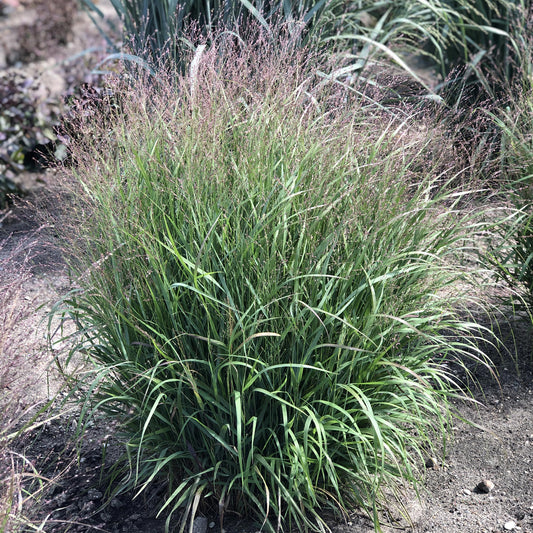
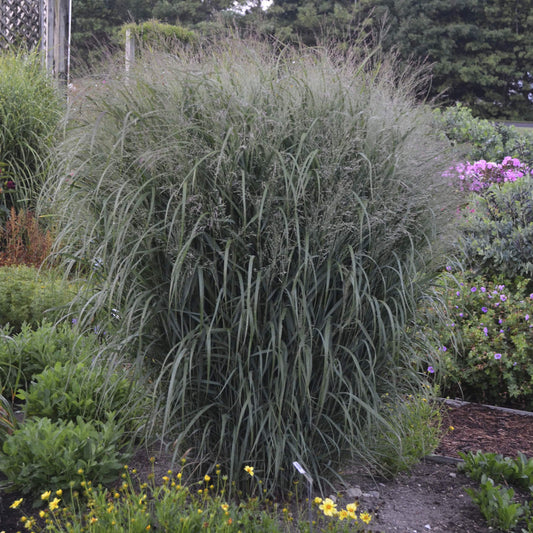
Prairie Winds® 'Apache Rose' Switch Grass (Panicum)
Regular price
$18.99
Regular price
Sale price
$18.99
Unit price
per


Chick Charms® Silver Suede™ Hens & Chicks (Sempervivum)
Regular price
$8.99
Regular price
$9.99
Sale price
$8.99
Unit price
per


'Onyx and Pearls' Beardtongue (Penstemon)
Regular price
$18.99
Regular price
Sale price
$18.99
Unit price
per


Fruit Punch® 'Sweetie Pie' Pinks (Dianthus)
Regular price
$18.99
Regular price
Sale price
$18.99
Unit price
per


Rainbow Rhythm® 'Storm Shelter' Daylily (Hemerocallis)
Regular price
$19.99
Regular price
Sale price
$19.99
Unit price
per

'Summer Serenade' Lavender (Lavandula)
Regular price
$18.99
Regular price
Sale price
$18.99
Unit price
per

Uptick™ Yellow & Red Tickseed (Coreopsis)
Regular price
$17.99
Regular price
Sale price
$17.99
Unit price
per


'Storm Cloud' Bluestar (Amsonia)
Regular price
$19.99
Regular price
Sale price
$19.99
Unit price
per


Fruit Punch® 'Raspberry Ruffles' Pinks (Dianthus)
Regular price
$18.99
Regular price
Sale price
$18.99
Unit price
per


Rock 'N Grow® 'Coraljade' Stonecrop (Sedum)
Regular price
$18.99
Regular price
Sale price
$18.99
Unit price
per


