


Contact Information
Collection: Perennial Plants for Sale
The plants that keep on giving. Perennials add beauty to your landscape year after year without the need to replant. Most also grow fuller and more established with every passing season, making them one of the most dependable choices for any garden. Explore our perennial flowers for sale at Garden Crossings.


Junior Walker™ Catmint (Nepeta)
Regular price
$17.99
Regular price
Sale price
$17.99
Unit price
per

Dreameria® 'Dream Clouds' Sea Thrift (Armeria)
Regular price
$17.99
Regular price
Sale price
$17.99
Unit price
per


'Lady in Red' Lady Fern (Athyrium)
Regular price
$18.99
Regular price
Sale price
$18.99
Unit price
per


'Prince of Orange' Oriental Poppy (Papaver)
Regular price
$17.99
Regular price
Sale price
$17.99
Unit price
per


Pyromania® 'Orange Blaze' Red Hot Poker (Kniphofia)
Regular price
$18.99
Regular price
Sale price
$18.99
Unit price
per


Fun and Games® 'Shadow Tag' Foamy Bells (Heucherella)
Regular price
$17.09
Regular price
$18.99
Sale price
$17.09
Unit price
per


'Tuscan Sun' False Sunflower (Heliopsis)
Regular price
$19.99
Regular price
Sale price
$19.99
Unit price
per


'Dark Side of the Moon' Chinese Astilbe
Regular price
$19.99
Regular price
Sale price
$19.99
Unit price
per
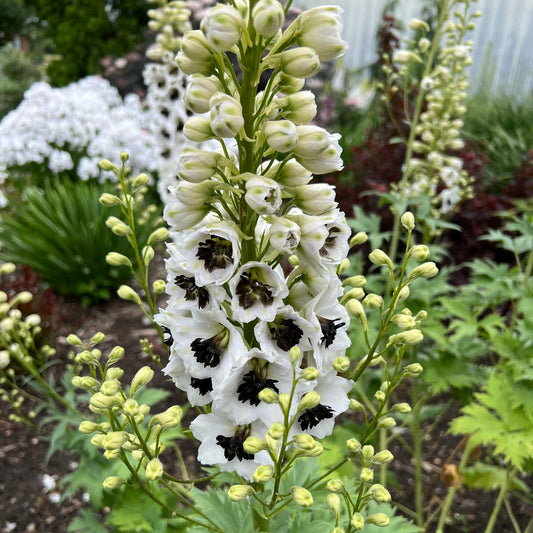

'Black Eyed Angels' Hybrid Bee Delphinium
Regular price
$18.99
Regular price
Sale price
$18.99
Unit price
per


Double Scoop™ Raspberry Deluxe Coneflower (Echinacea)
Regular price
$20.99
Regular price
Sale price
$20.99
Unit price
per


'Silly String' Hosta
Regular price
$18.99
Regular price
Sale price
$18.99
Unit price
per


'Multi-Blue' Clematis
Regular price
$20.99
Regular price
Sale price
$20.99
Unit price
per


Double Scoop™ Cranberry Coneflower (Echinacea)
Regular price
$19.99
Regular price
Sale price
$19.99
Unit price
per


'Cloudburst' Tall Cushion Phlox
Regular price
$19.99
Regular price
Sale price
$19.99
Unit price
per


Pyromania® 'Solar Flare' Red Hot Poker (Kniphofia)
Regular price
$18.99
Regular price
Sale price
$18.99
Unit price
per


Kaleidoscope™ 'Razzle Dazzle' Ice Plant (Delosperma)
Regular price
$14.39
Regular price
$17.99
Sale price
$14.39
Unit price
per


'Golden Tiara' Peruvian Lily (Alstroemeria)
Regular price
$19.99
Regular price
Sale price
$19.99
Unit price
per


Regal® Crystal Fountain™ Clematis
Regular price
$20.99
Regular price
Sale price
$20.99
Unit price
per


Sunfern™ Olympia Wormwood (Artemisia)
Regular price
$17.99
Regular price
Sale price
$17.99
Unit price
per


'Whitecap' Shasta Daisy (Leucanthemum)
Regular price
$17.99
Regular price
Sale price
$17.99
Unit price
per


'Forged in Fire' False Sunflower (Heliopsis)
Regular price
$18.99
Regular price
Sale price
$18.99
Unit price
per


Fun and Games® 'Capture the Flag' Foamy Bells (Heucherella)
Regular price
$15.19
Regular price
$18.99
Sale price
$15.19
Unit price
per

'Inca Batavia' Peruvian Lily (Alstroemeria)
Regular price
$21.99
Regular price
Sale price
$21.99
Unit price
per
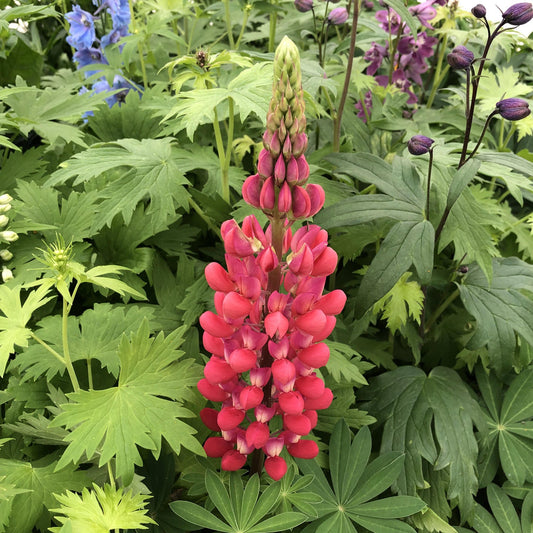
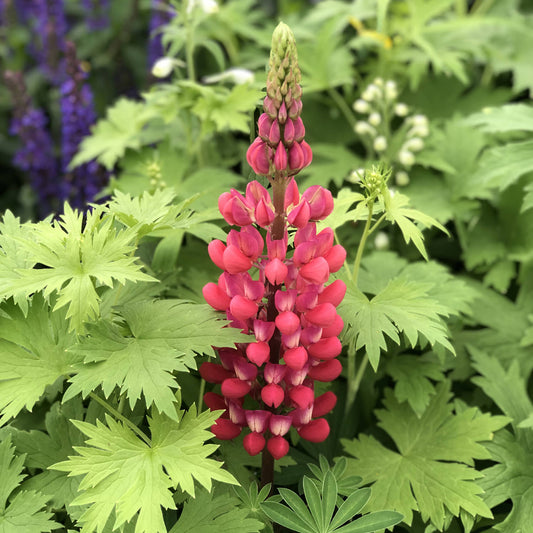
Westcountry™ 'Red Rum' Lupine (Lupinus)
Regular price
$15.19
Regular price
$18.99
Sale price
$15.19
Unit price
per


