


Contact Information
Collection: Perennial Plants for Sale
The plants that keep on giving. Perennials add beauty to your landscape year after year without the need to replant. Most also grow fuller and more established with every passing season, making them one of the most dependable choices for any garden. Explore our perennial flowers for sale at Garden Crossings.


Chick Charms® Strawberry Kiwi™ Hens & Chicks (Sempervivum)
Regular price
$9.99
Regular price
Sale price
$9.99
Unit price
per


Feathered Friends® 'Cordial Canary' Bugleweed (Ajuga)
Regular price
$17.99
Regular price
Sale price
$17.99
Unit price
per
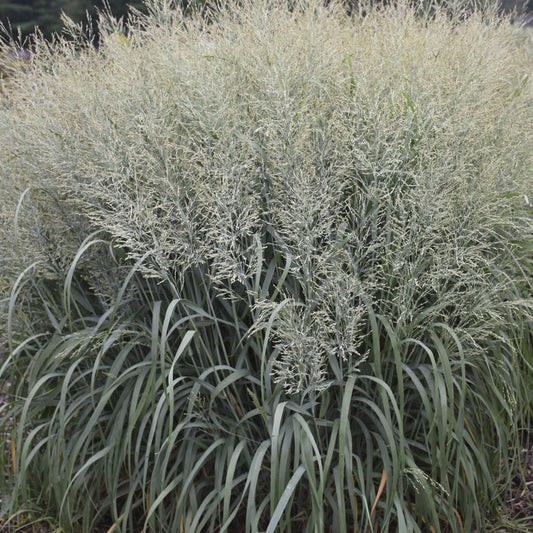
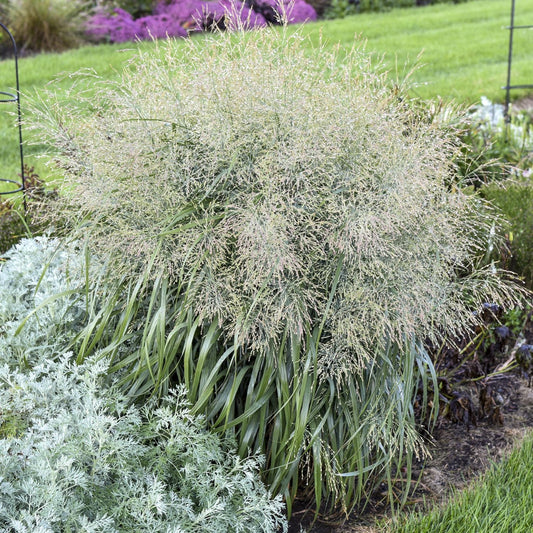
Prairie Winds® 'Niagara Falls' Switch Grass (Panicum)
Regular price
$17.99
Regular price
$19.99
Sale price
$17.99
Unit price
per


'Ghost' Ghost Fern (Athyrium)
Regular price
$19.99
Regular price
Sale price
$19.99
Unit price
per
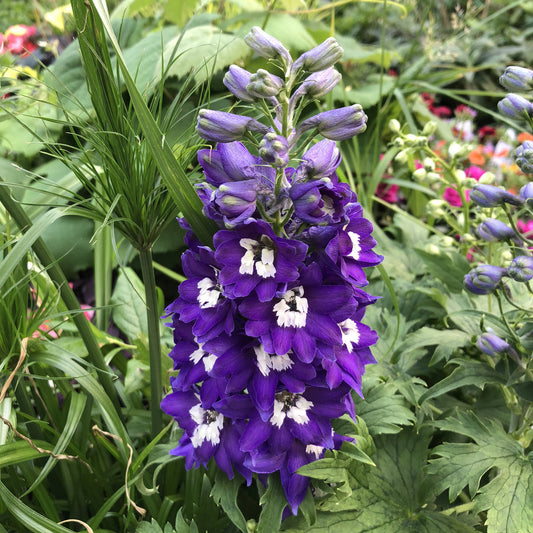
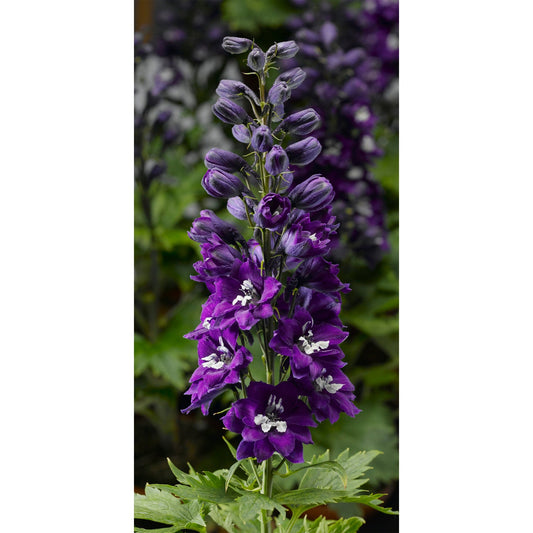
Delphina™ 'Dark Blue White Bee' Hybrid Bee Delphinium
Regular price
$17.99
Regular price
Sale price
$17.99
Unit price
per


Lavinnola® 'Frost Pink' Spanish Lavender (Lavandula)
Regular price
$18.99
Regular price
Sale price
$18.99
Unit price
per
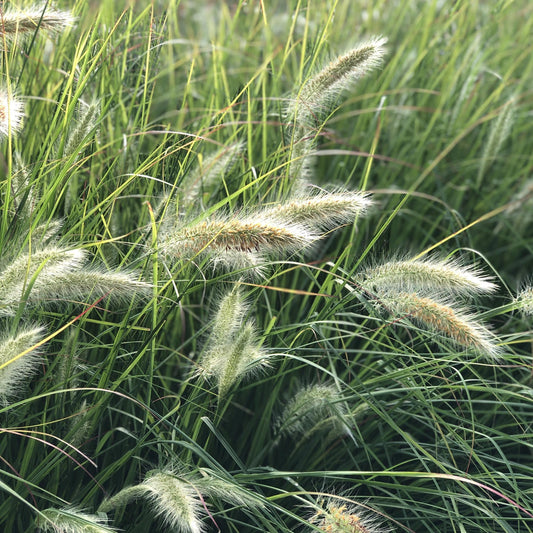
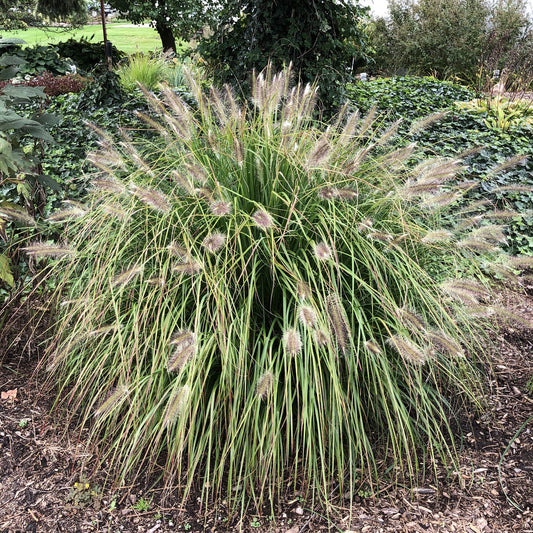
Prairie Winds® 'Desert Plains' Fountain Grass (Pennisetum)
Regular price
$17.09
Regular price
$18.99
Sale price
$17.09
Unit price
per


'Sage Advice' Russian Sage (Perovskia)
Regular price
$17.09
Regular price
$18.99
Sale price
$17.09
Unit price
per


Mini Gallery™ Blue Bicolor Lupine (Lupinus)
Regular price
$17.99
Regular price
Sale price
$17.99
Unit price
per


Color Coded® 'The Price Is White' Coneflower (Echinacea)
Regular price
$19.99
Regular price
Sale price
$19.99
Unit price
per


'Blue Glow' Globe Thistle (Echinops)
Regular price
$17.99
Regular price
Sale price
$17.99
Unit price
per


Spintop® Red Blanket Flower (Gaillardia)
Regular price
$17.99
Regular price
Sale price
$17.99
Unit price
per
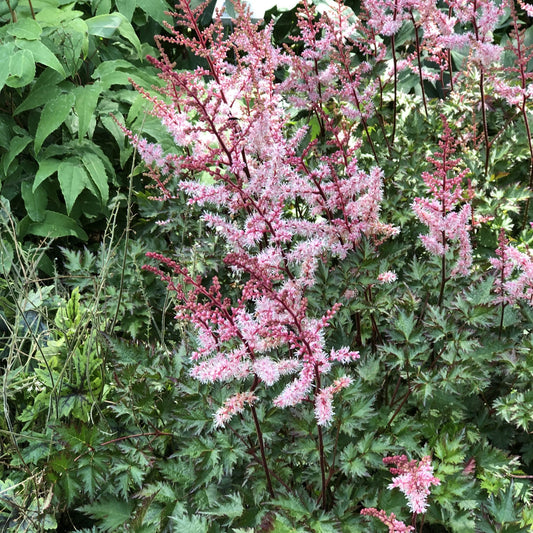
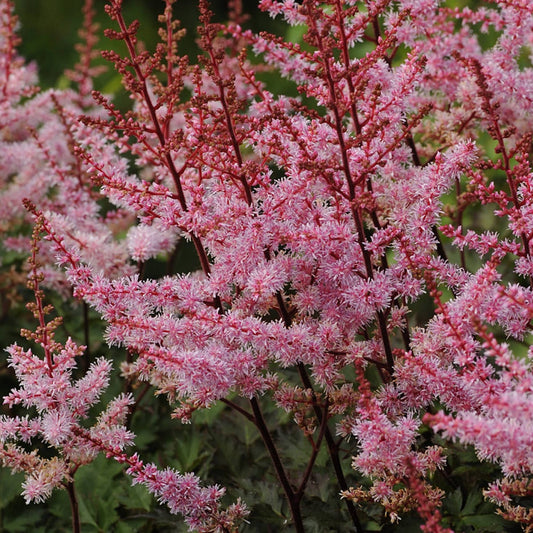
'Delft Lace' Japanese Astilbe
Regular price
$19.99
Regular price
Sale price
$19.99
Unit price
per
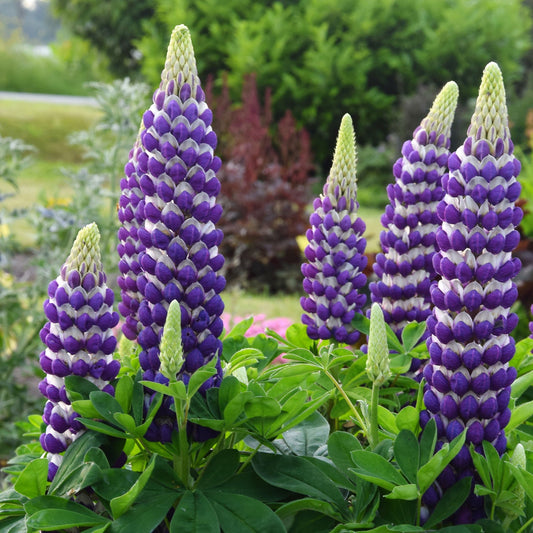
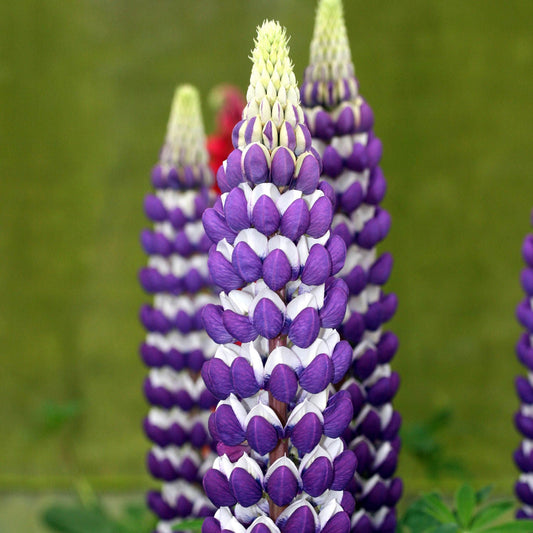
Westcountry™ 'Blacksmith' Lupine (Lupinus)
Regular price
$18.99
Regular price
Sale price
$18.99
Unit price
per


Hello Spring!® Feather Reed Grass (Calamagrostis)
Regular price
$14.39
Regular price
$17.99
Sale price
$14.39
Unit price
per


'Suntacular' Black-Eyed Susan (Rudbeckia)
Regular price
$19.99
Regular price
Sale price
$19.99
Unit price
per

'Summer Nights' Delphinium
Regular price
$17.99
Regular price
Sale price
$17.99
Unit price
per


'Aureola' Japanese Forest Grass (Hakonechloa)
Regular price
$18.99
Regular price
Sale price
$18.99
Unit price
per
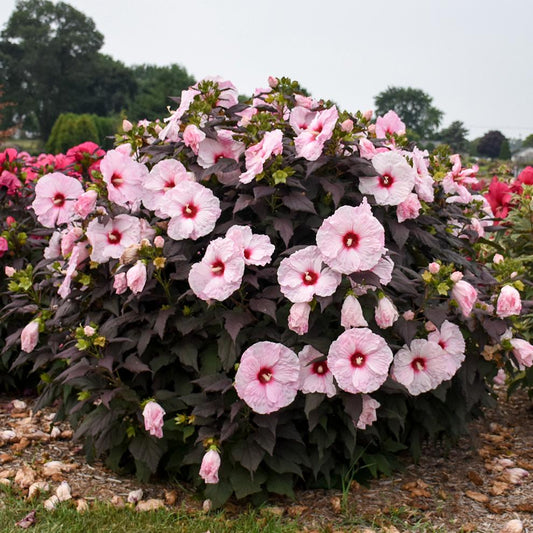
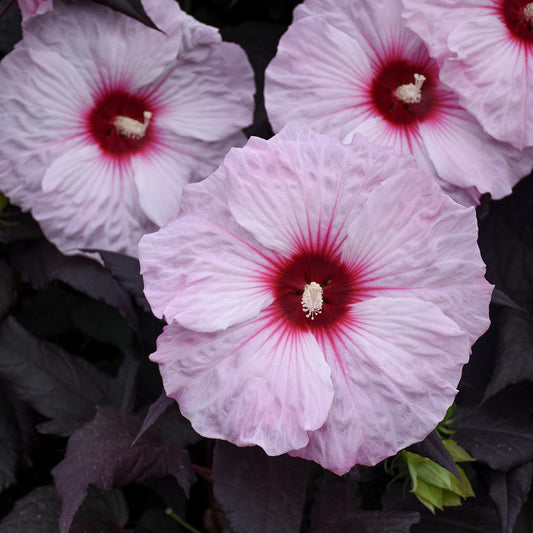
'Dark Mystery' Rose Mallow (Hibiscus)
Regular price
$21.99
Regular price
Sale price
$21.99
Unit price
per


Fruit Punch® 'Cherry Vanilla' Pinks (Dianthus)
Regular price
$18.99
Regular price
Sale price
$18.99
Unit price
per
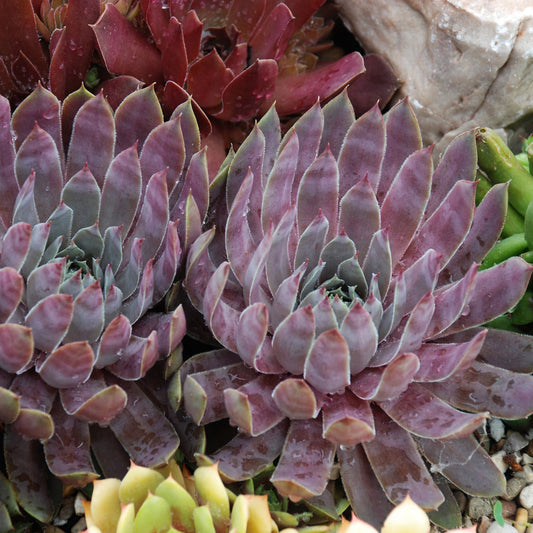
Chick Charms® Berry Blues™ Hens & Chicks (Sempervivum)
Regular price
$8.99
Regular price
$9.99
Sale price
$8.99
Unit price
per


'Opening Act Pink-a-Dot' Hybrid Phlox
Regular price
$17.99
Regular price
$19.99
Sale price
$17.99
Unit price
per

The Duchess of Cornwall™ Clematis
Regular price
$20.99
Regular price
Sale price
$20.99
Unit price
per


Chick Charms® Mint Marvel™ Hens & Chicks (Sempervivum)
Regular price
$9.99
Regular price
Sale price
$9.99
Unit price
per


