

Contact Information
Collection: Perennial Plants for Sale
The plants that keep on giving. Perennials add beauty to your landscape year after year without the need to replant. Most also grow fuller and more established with every passing season, making them one of the most dependable choices for any garden. Explore our perennial flowers for sale at Garden Crossings.


'Stand By Me' Bush Clematis
Regular price
$21.99
Regular price
Sale price
$21.99
Unit price
per


'Royal Wedding' Oriental Poppy (Papaver)
Regular price
$17.99
Regular price
Sale price
$17.99
Unit price
per
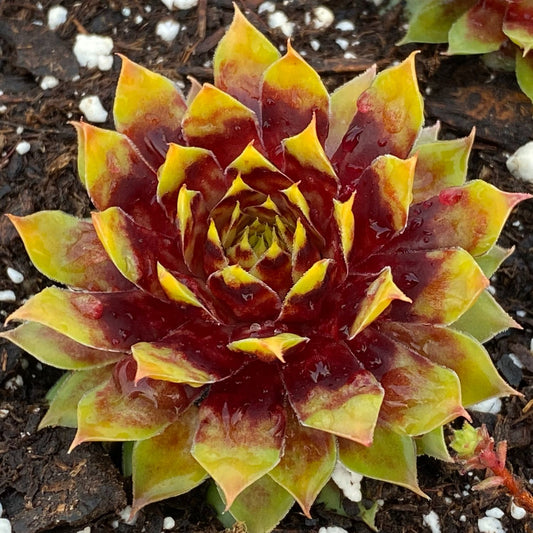
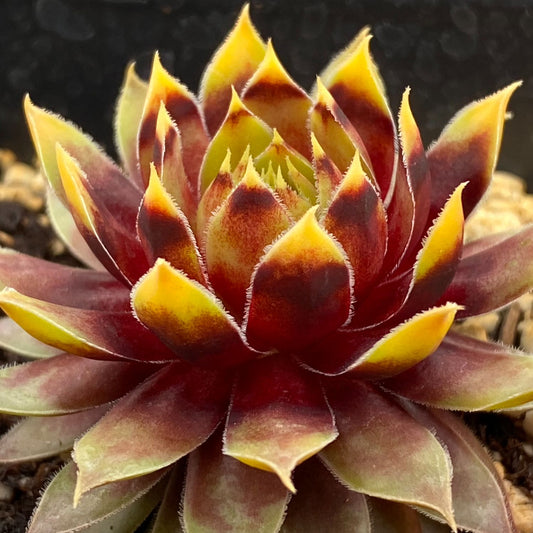
Chick Charms® Gold Rush Hens & Chicks (Sempervivum)
Regular price
$10.99
Regular price
Sale price
$10.99
Unit price
per


Shadowland® Giant Collection 'Sound of Music' Hosta
Regular price
$13.19
Regular price
$21.99
Sale price
$13.19
Unit price
per


Sombrero Poco™ Hot Pink Coneflower (Echinacea)
Regular price
$18.99
Regular price
$26.99
Sale price
$18.99
Unit price
per


'Purring Tiger' Siberian (Iris)
Regular price
$18.99
Regular price
Sale price
$18.99
Unit price
per


Shadowland® 'Diamond Lake' Hosta
Regular price
$20.99
Regular price
Sale price
$20.99
Unit price
per


Rock 'N Grow® 'Lemonjade' Stonecrop (Sedum)
Regular price
$17.09
Regular price
$18.99
Sale price
$17.09
Unit price
per


'Opening Act Romance' Hybrid Phlox
Regular price
$19.99
Regular price
Sale price
$19.99
Unit price
per
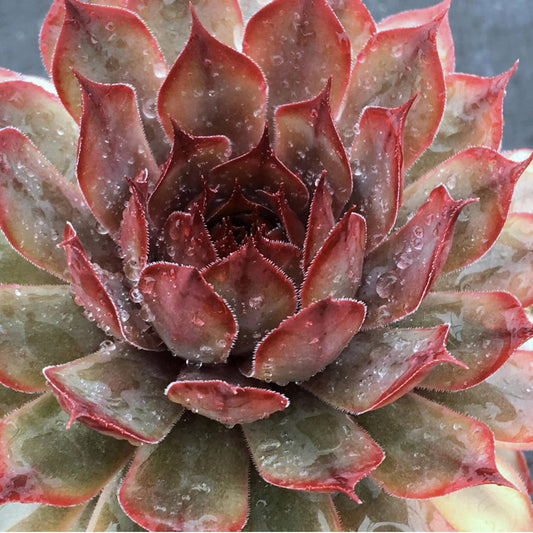
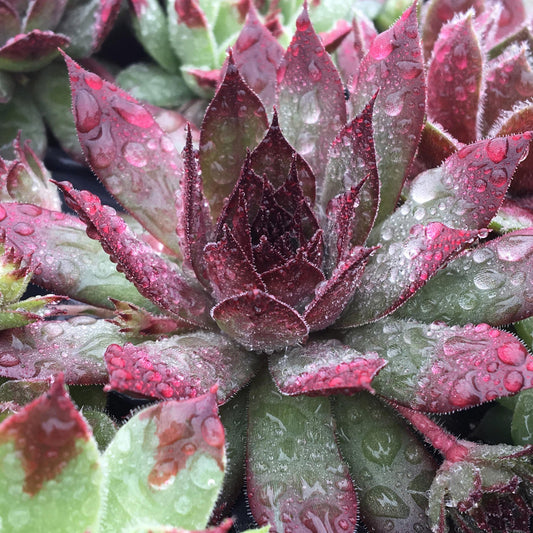
Chick Charms® Autumn Apple™ Hens & Chicks (Sempervivum)
Regular price
$9.99
Regular price
Sale price
$9.99
Unit price
per


Happy Jack® Purple Clematis
Regular price
$22.99
Regular price
Sale price
$22.99
Unit price
per
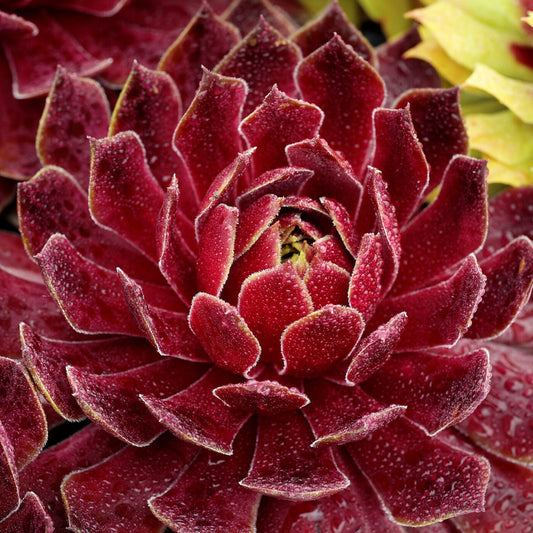
Chick Charms® Candied Apple Hens & Chicks (Sempervivum)
Regular price
$8.99
Regular price
$9.99
Sale price
$8.99
Unit price
per
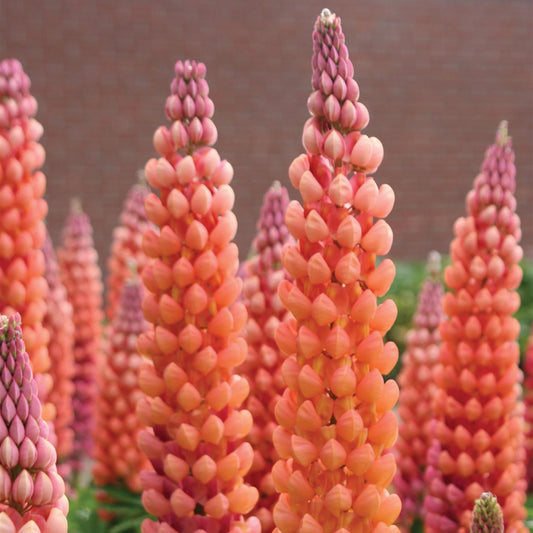
Westcountry™ 'Salmon Star' Lupine (Lupinus)
Regular price
$18.99
Regular price
Sale price
$18.99
Unit price
per


'Orange Gnome' Catchfly (Lychnis)
Regular price
$18.99
Regular price
Sale price
$18.99
Unit price
per


'Hummelo' Betony (Stachys)
Regular price
$17.99
Regular price
Sale price
$17.99
Unit price
per

'Jackmanii Superba' Clematis
Regular price
$23.99
Regular price
Sale price
$23.99
Unit price
per

Boulevard® Issey™ Clematis
Regular price
$20.99
Regular price
Sale price
$20.99
Unit price
per


'Pardon My Rose' Bee Balm (Monarda)
Regular price
$18.99
Regular price
Sale price
$18.99
Unit price
per


Color Coded® 'Yellow My Darling' Coneflower (Echinacea)
Regular price
$19.99
Regular price
Sale price
$19.99
Unit price
per


Decadence® 'Cherries Jubilee' False Indigo (Baptisia)
Regular price
$17.59
Regular price
$21.99
Sale price
$17.59
Unit price
per


Rock 'N Round® 'Pure Joy' Stonecrop (Sedum)
Regular price
$11.39
Regular price
$18.99
Sale price
$11.39
Unit price
per

Little Lemon Goldenrod (Solidago)
Regular price
$17.09
Regular price
$18.99
Sale price
$17.09
Unit price
per


Shadowland® 'Wheee!' Hosta
Regular price
$17.59
Regular price
$21.99
Sale price
$17.59
Unit price
per

Purple Glow Cranesbill (Geranium)
Regular price
$20.99
Regular price
Sale price
$20.99
Unit price
per


