


Contact Information
Collection: Perennial Plants for Sale
The plants that keep on giving. Perennials add beauty to your landscape year after year without the need to replant. Most also grow fuller and more established with every passing season, making them one of the most dependable choices for any garden. Explore our perennial flowers for sale at Garden Crossings.

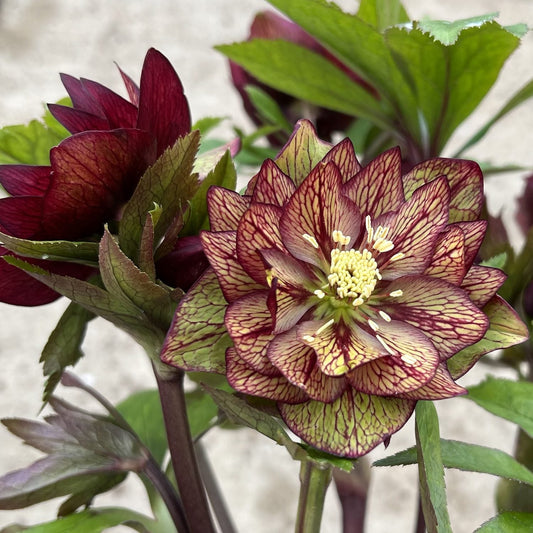
Wedding Party® 'Childhood Sweetheart' Lenten Rose (Helleborus)
Regular price
$17.99
Regular price
Sale price
$17.99
Unit price
per


Rainbow Rhythm® 'Ruby Spider' Daylily (Hemerocallis)
Regular price
$19.99
Regular price
Sale price
$19.99
Unit price
per
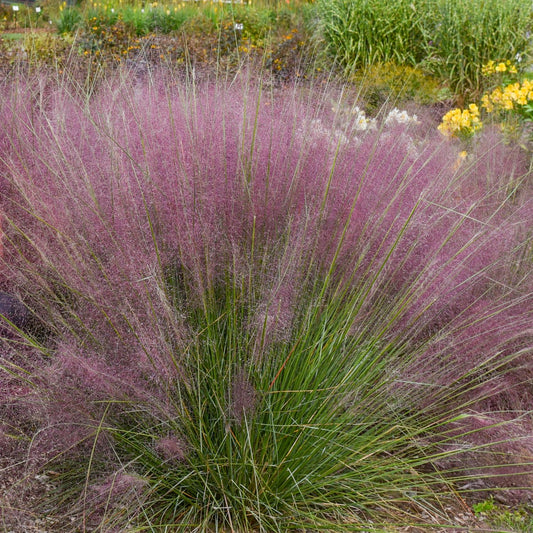
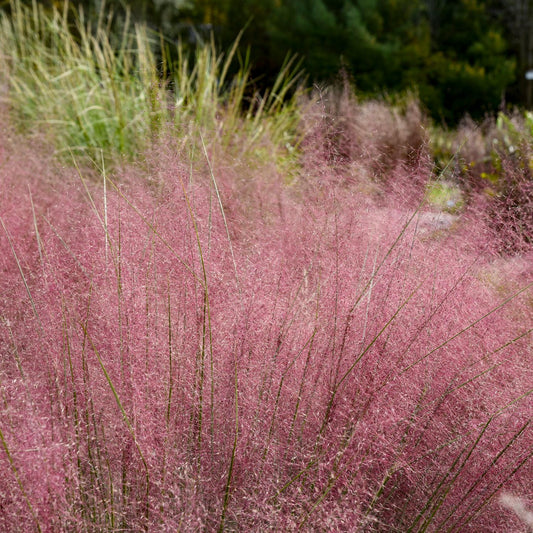
Prairie Winds® 'Candy Floss' Muhly Grass (Muhlenbergia)
Regular price
$18.99
Regular price
Sale price
$18.99
Unit price
per


Bejeweled® 'Dark Amethyst' Beardtongue (Penstemon)
Regular price
$11.39
Regular price
$18.99
Sale price
$11.39
Unit price
per
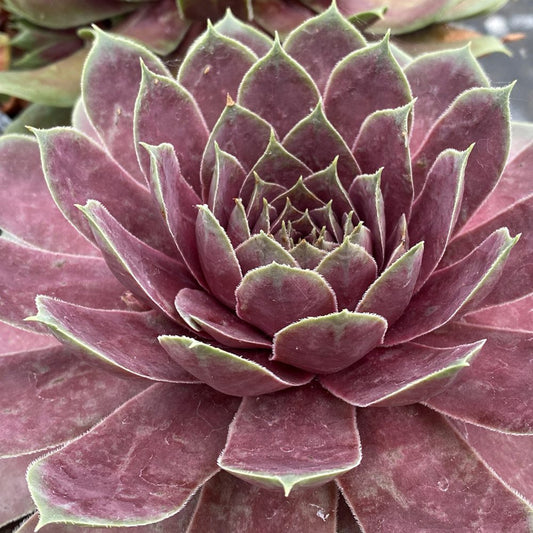
Chick Charms® Giant Pink Sapphire Hens & Chicks (Sempervivum)
Regular price
$17.09
Regular price
$18.99
Sale price
$17.09
Unit price
per

'Viticella Venosa Violacea' Clematis
Regular price
$20.99
Regular price
Sale price
$20.99
Unit price
per


'Blueberry Muffin' Hosta
Regular price
$19.99
Regular price
Sale price
$19.99
Unit price
per


'Pardon My Purple' Bee Balm (Monarda)
Regular price
$18.99
Regular price
Sale price
$18.99
Unit price
per

'Over in Gloryland' Siberian (Iris)
Regular price
$17.99
Regular price
Sale price
$17.99
Unit price
per


Color Coded® 'Orange You Awesome' Coneflower (Echinacea)
Regular price
$18.99
Regular price
Sale price
$18.99
Unit price
per


Ostrich Fern (Matteuccia)
Regular price
$18.99
Regular price
Sale price
$18.99
Unit price
per


Rock 'N Low® 'Yellow Brick Road' Stonecrop (Sedum)
Regular price
$18.99
Regular price
Sale price
$18.99
Unit price
per


Dressed Up® 'Evening Gown' Coral Bells (Heuchera)
Regular price
$18.99
Regular price
Sale price
$18.99
Unit price
per


'Peachie's Pick' Stoke's Aster (Stokesia)
Regular price
$18.99
Regular price
Sale price
$18.99
Unit price
per


Dolce® 'Spearmint' Coral Bells (Heuchera)
Regular price
$18.99
Regular price
Sale price
$18.99
Unit price
per


'Patriot' Hosta
Regular price
$18.89
Regular price
$20.99
Sale price
$18.89
Unit price
per
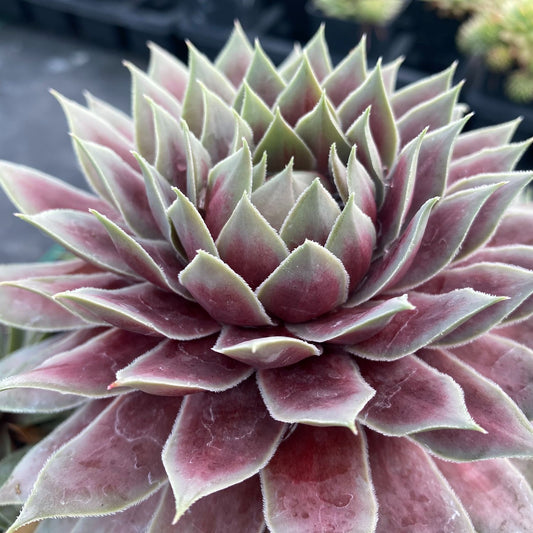
Chick Charms® Giant Glacier Blue Hens & Chicks (Sempervivum)
Regular price
$18.99
Regular price
Sale price
$18.99
Unit price
per


Color Spires® 'Indiglo Girl' Perennial Salvia
Regular price
$18.99
Regular price
Sale price
$18.99
Unit price
per


Boulevard® Parisienne Clematis
Regular price
FREE
Regular price
Sale price
FREE
Unit price
per


Crowning Glory™ 'Princess Bride' Pineapple Lily (Eucomis)
Regular price
$18.89
Regular price
$20.99
Sale price
$18.89
Unit price
per


Fruit Punch® 'Black Cherry Frost' Pinks (Dianthus)
Regular price
$18.99
Regular price
Sale price
$18.99
Unit price
per


Feathered Friends® 'Fierce Falcon' Bugleweed (Ajuga)
Regular price
$17.99
Regular price
Sale price
$17.99
Unit price
per


Salud™ Yellow Sneezeweed (Helenium)
Regular price
$14.39
Regular price
$17.99
Sale price
$14.39
Unit price
per


Feathered Friends® 'Noble Nightingale' Bugleweed (Ajuga)
Regular price
$14.39
Regular price
$17.99
Sale price
$14.39
Unit price
per


